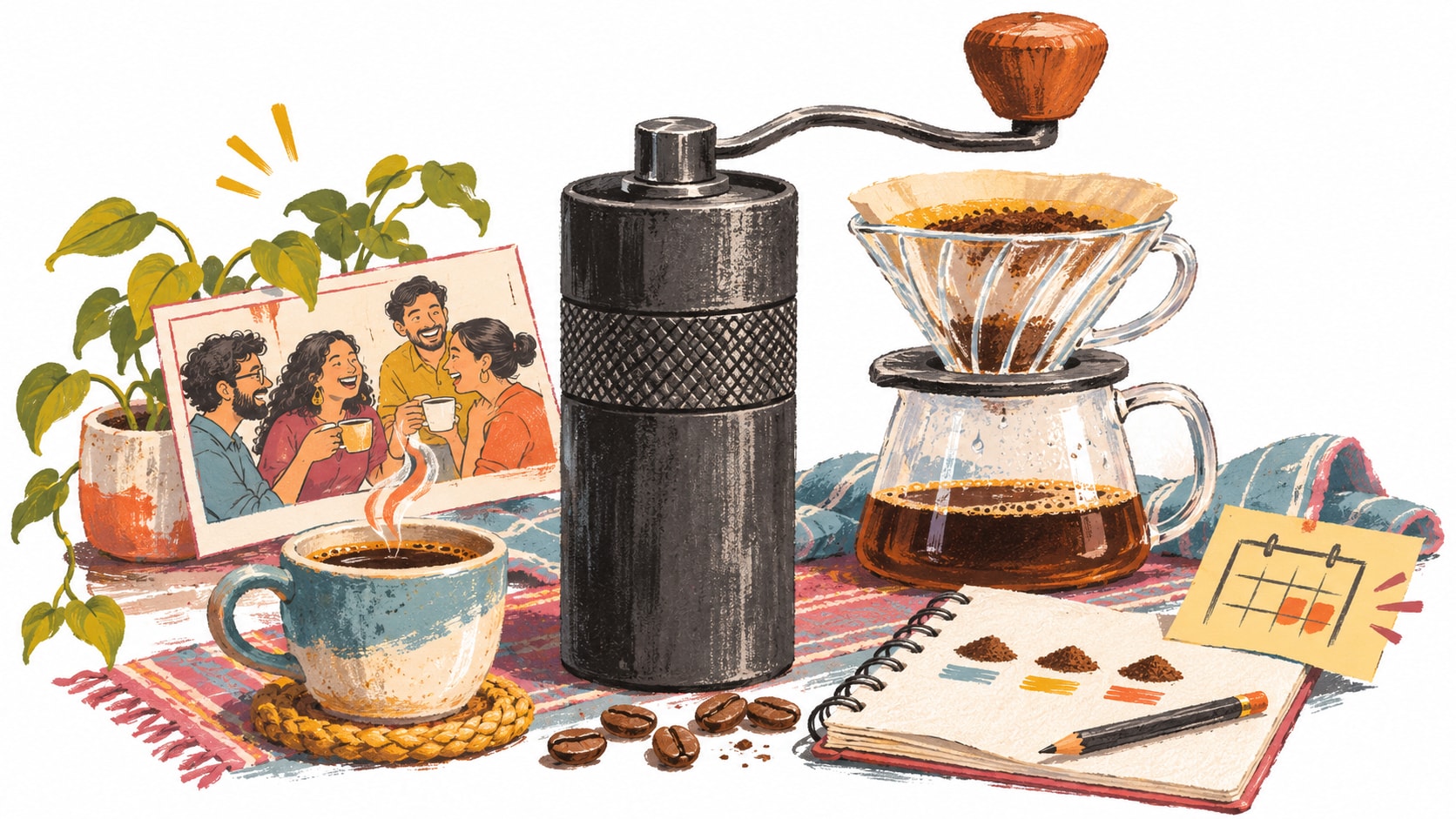
This Week in Indian Coffee: Your First Grinder Is Worth It!
Weekend coffee plans in Thane, Mumbai and Hyderabad, a Shillong cupping, why my first grinder mattered, and community discussions on buying coffee and gear.
Guides, reviews, and stories from India's specialty coffee scene.
Weekend coffee plans in Thane, Mumbai and Hyderabad, a Shillong cupping, why my first grinder mattered, and community discussions on buying coffee and gear.
Weekend coffee plans in Thane, Mumbai and Hyderabad, a Shillong cupping, why my first grinder mattered, and community discussions on buying coffee and gear.
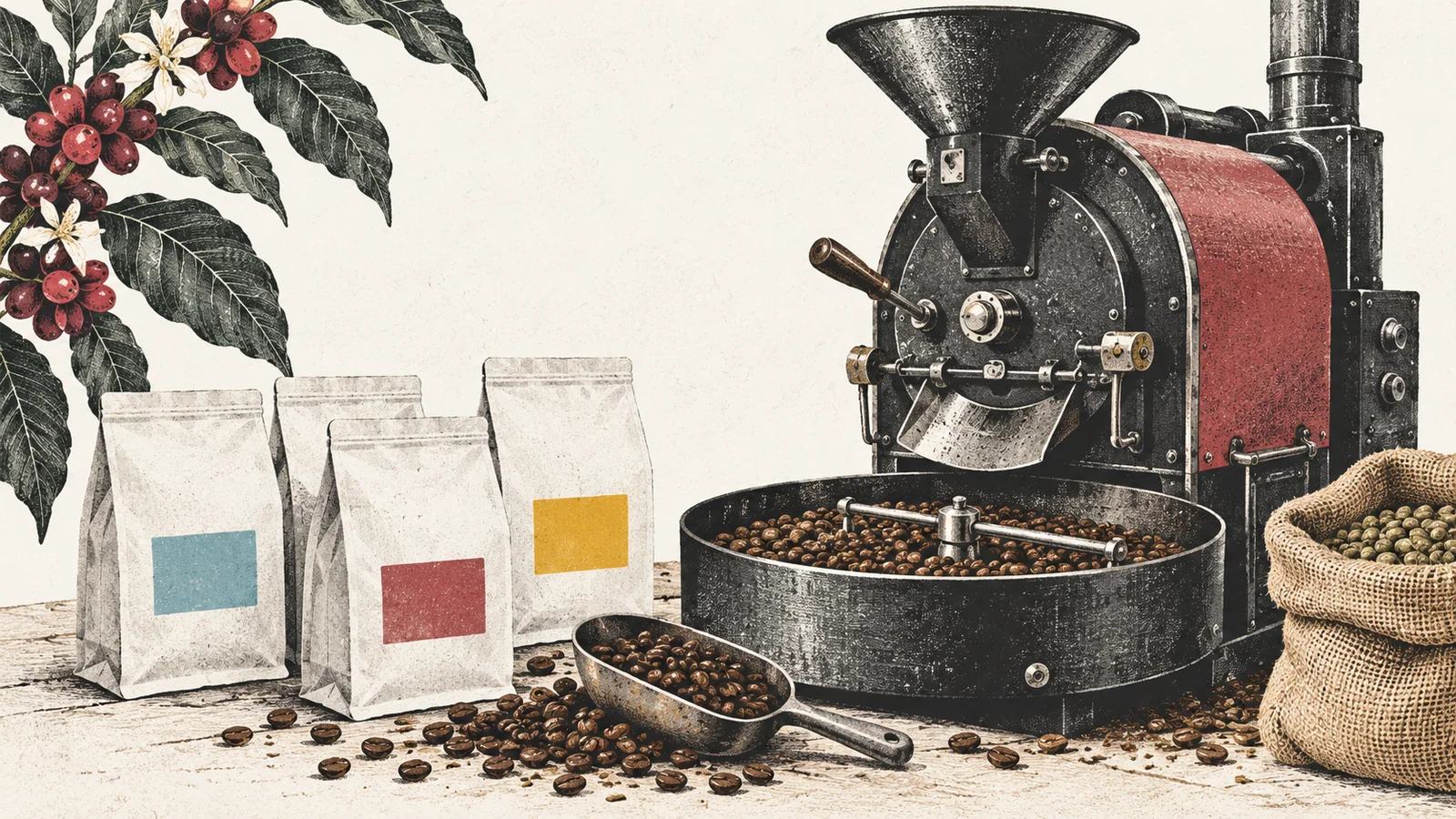
Looking for a different bag of coffee? Here are ten roasters across India that caught my attention while building Coffee Atlas, from estate coffee to experimental lots.
Espresso workshops, Kerala Coffee Festival's booking update, Libertario's Gurugram roastery, my Encore ESP review, and a quick grinder watch.
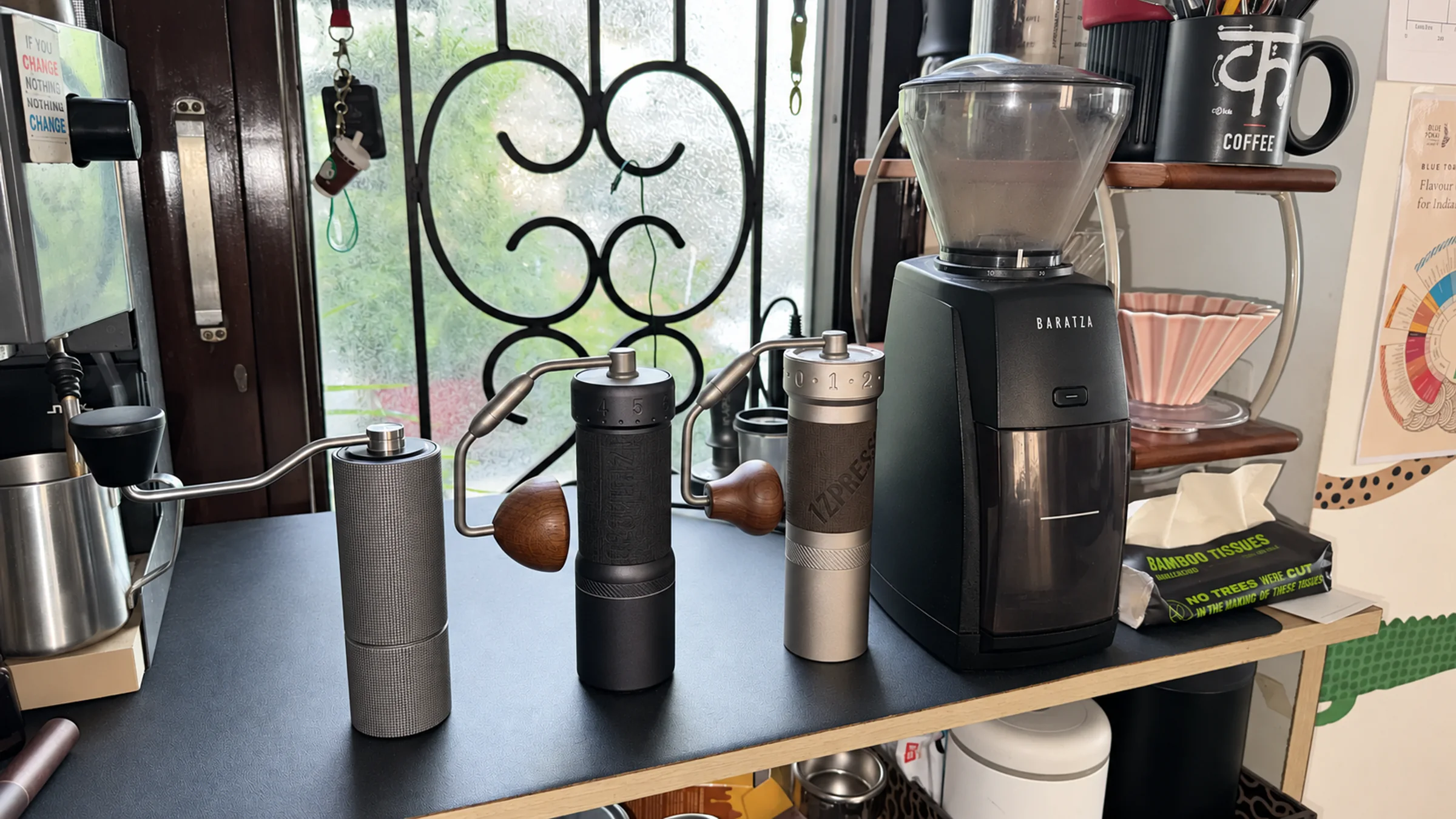
Almost three years with my Baratza Encore ESP: morning cappuccinos, tennis elbow, one loose part, and whether I would buy it again.
Coffee plans in Mumbai and Nagpur, Kerala Coffee Festival, the new World Barista Champion, my latest grinder video, and why I'm buying beyond Blue Tokai.
Weekend coffee workshops, India's Suhas Dwarakanath at the World Barista Championship, and what else a James Hoffmann ticket could buy for your home coffee setup.
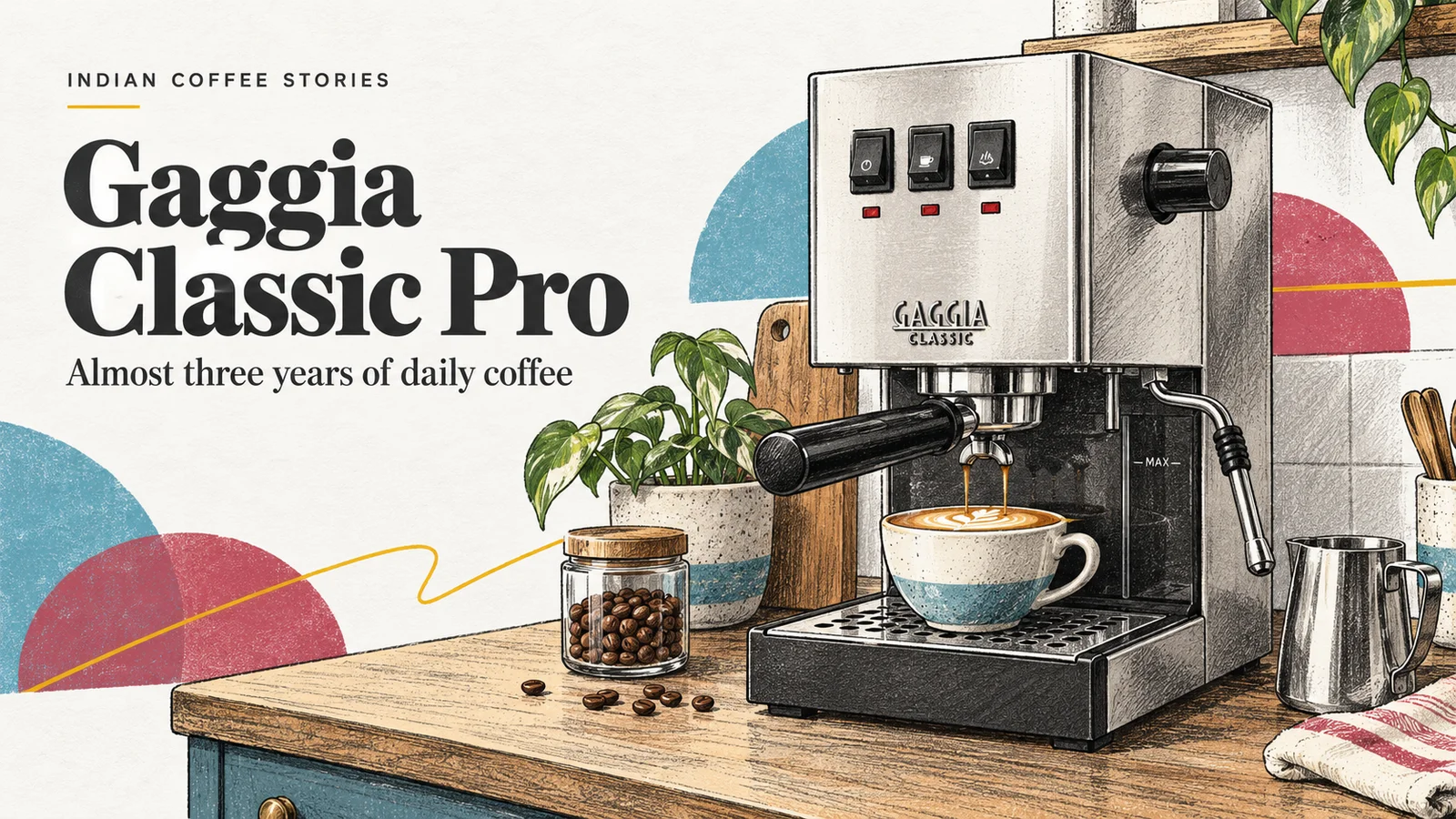
Almost three years of daily espresso and cappuccinos with my Gaggia Classic Pro. What I love, what has broken, and whether I'd buy it again in India.
Weekend coffee plans in Delhi and Bengaluru, Grey Soul's expansion discussion, and a home barista's take on training, cafe service, and a visit to Fig at Malcha.
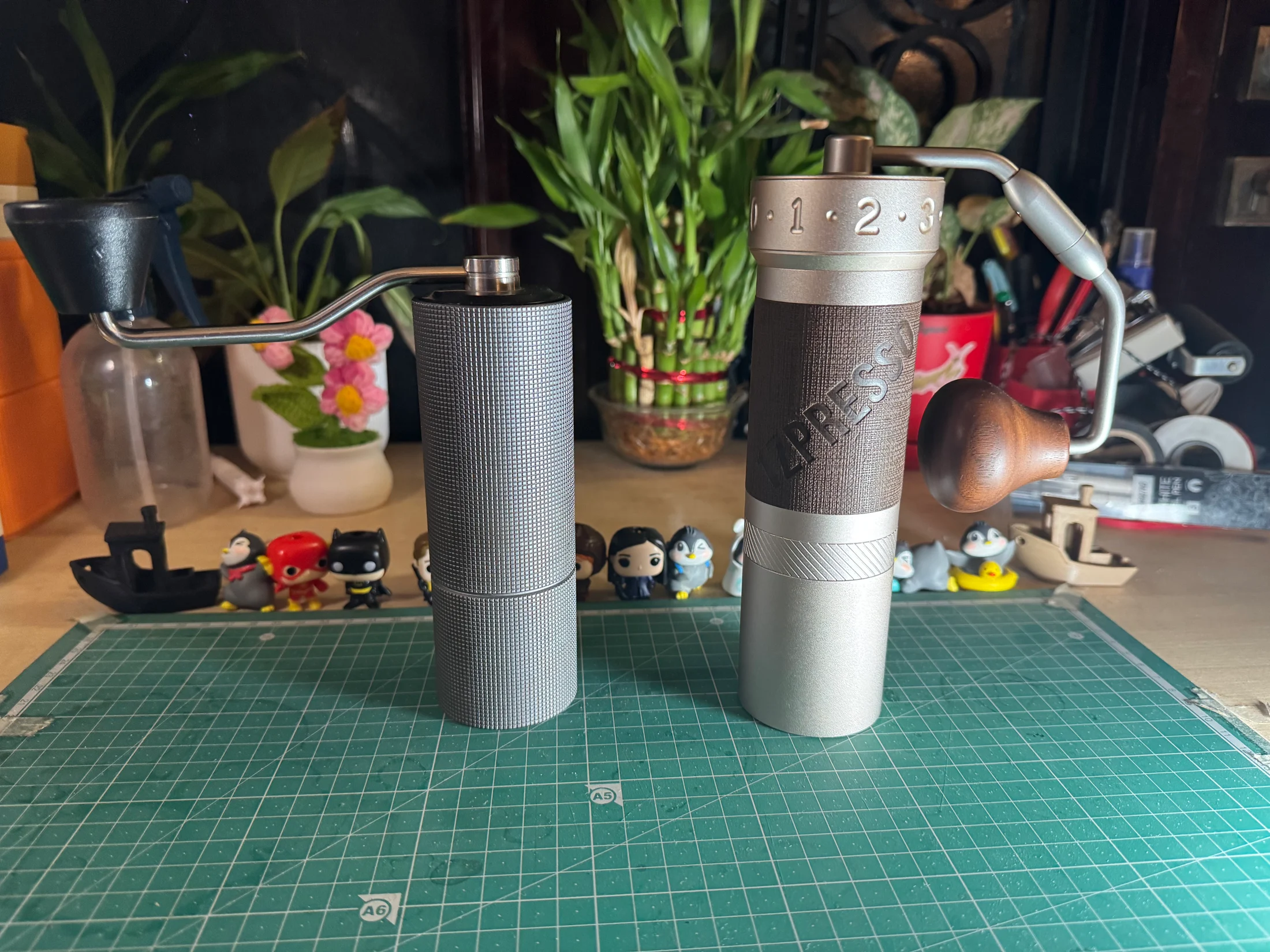
After four years with a Timemore C2, I brewed Araku Monsoon Edit beside a ZP6 Special. Here is what changed in the cups—and whether the upgrade was worth it for me.
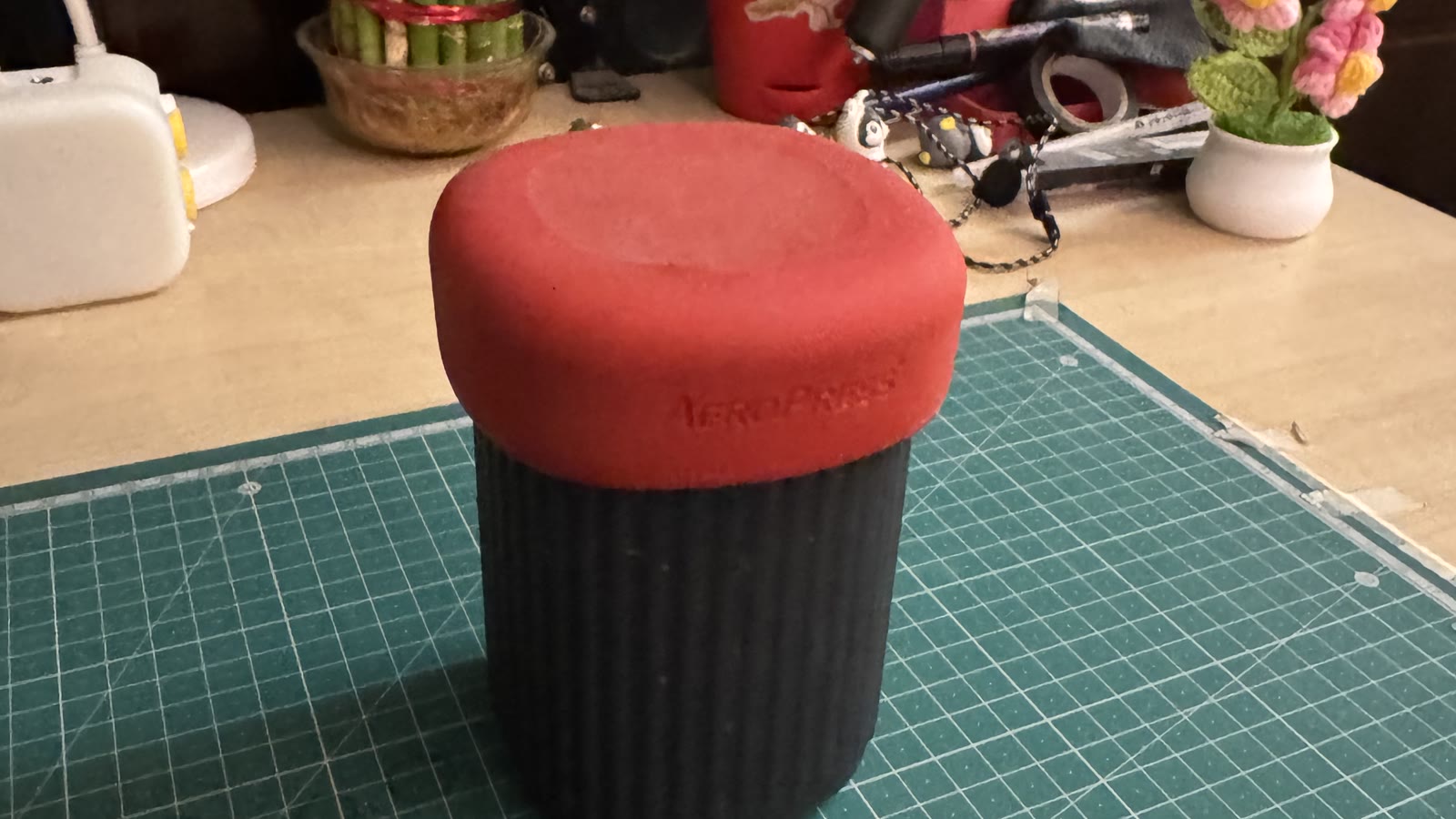
After roughly 400 to 500 brews, office coffee lessons, and years of travelling with an AeroPress Go, this is why it remains my default recommendation for beginners.
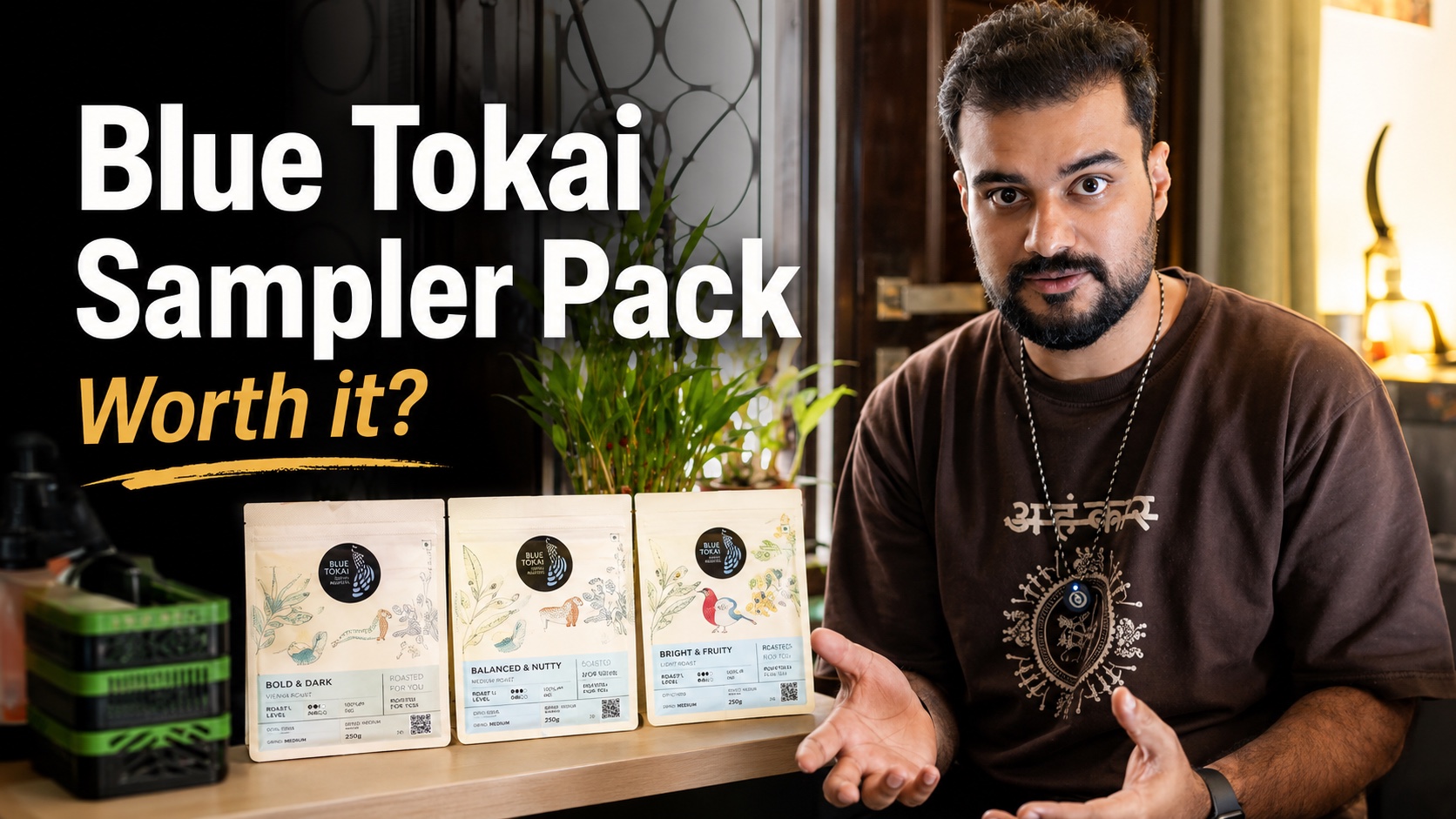
If you don't know what kind of coffee you like yet, I'd try Blue Tokai's 5-in-1 sampler. Here's what I got out of brewing the coffees side by side.
A note from founder Shashank Sharma on making coffee less intimidating, paying attention to Indian coffee, and building a community around better cups and better conversations.
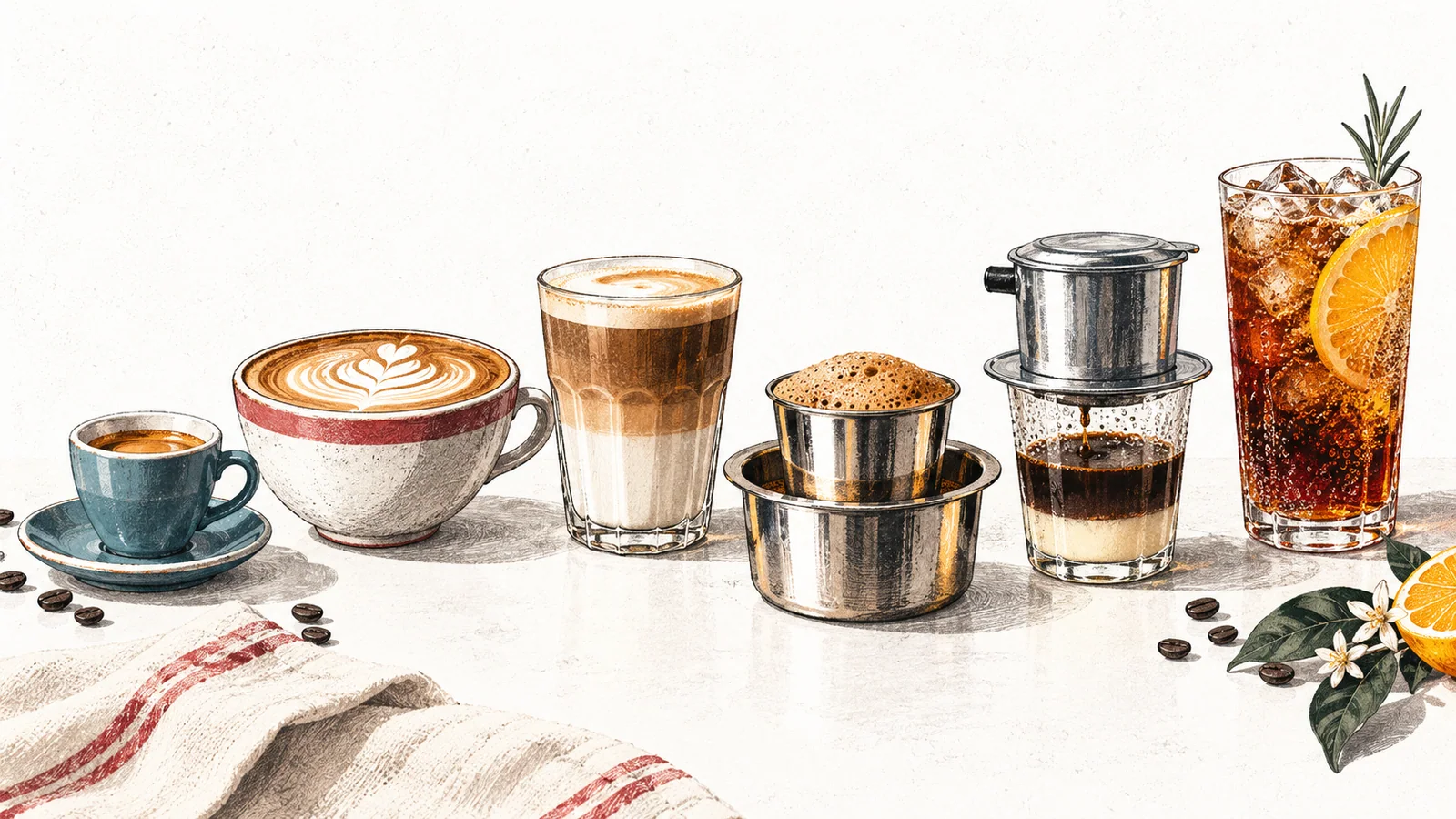
A browsable glossary of classic and modern coffee drinks—from cappuccino and filter kaapi to espresso tonic, Mont Blanc and Hyderabad's cranberry coffee.
After four grinders and roughly ₹70,000 to ₹80,000 spent, here is how I would choose between manual and electric grinders for pour-over, espresso, travel, and everyday coffee.
Find Indian specialty coffee roasters by region and choose a first bag for espresso, milk drinks or pour-over.
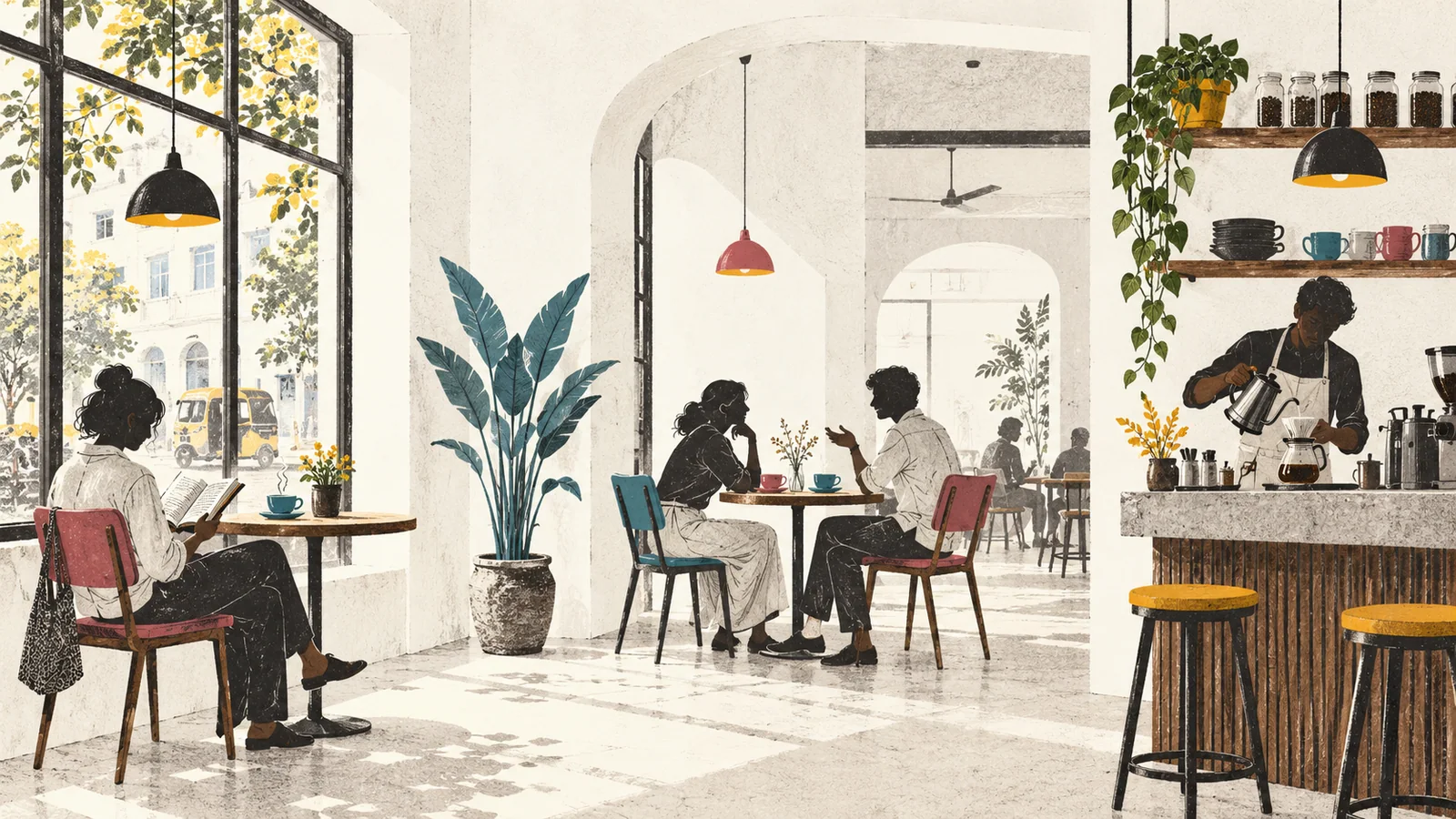
The best coffee shop depends on what you need from the hour: a thoughtful cup, a long conversation, a laptop table, or simply ten quiet minutes.
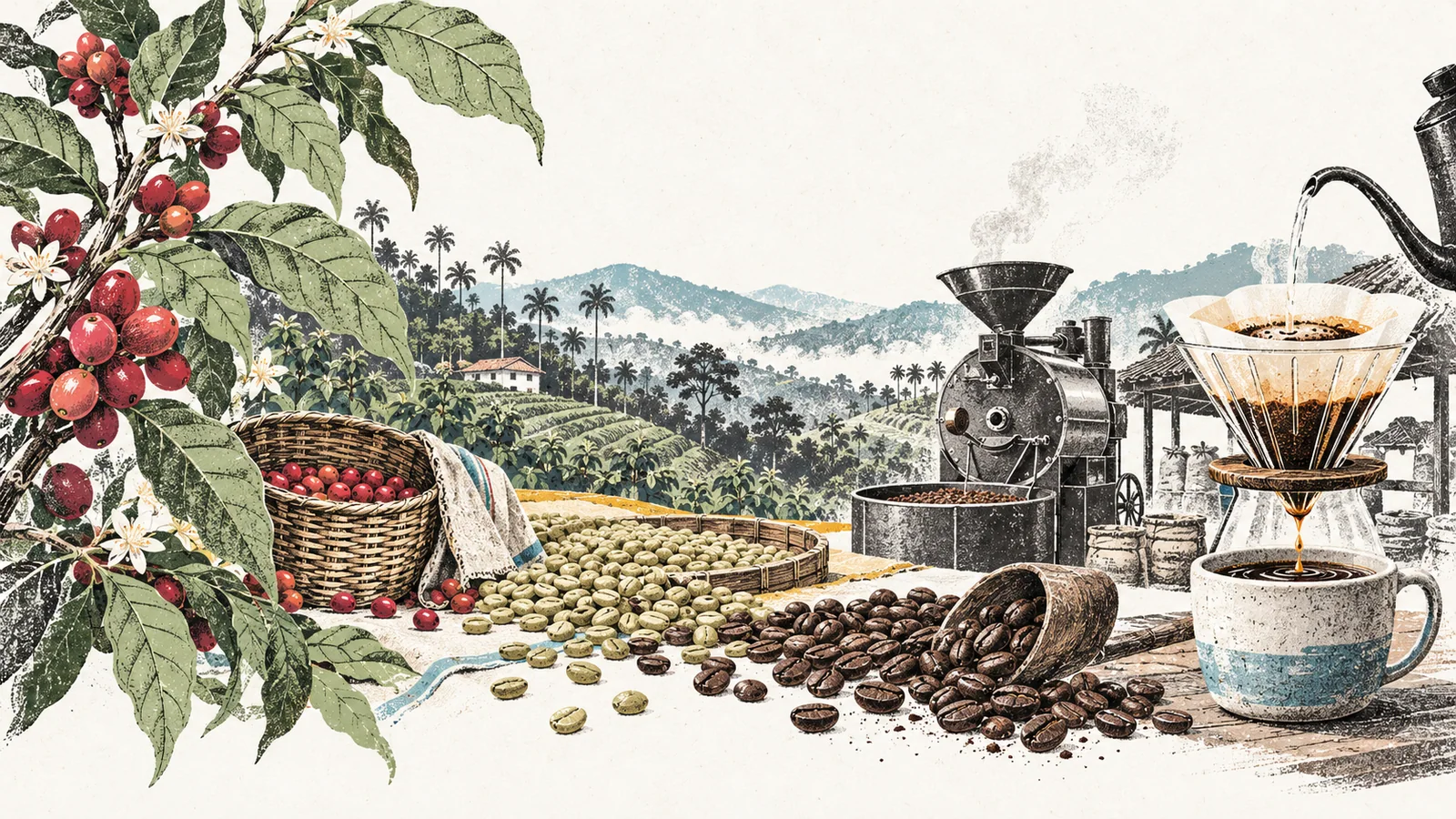
Coffee passes through many hands before it reaches your kitchen. Knowing the route makes labels, freshness, and flavour easier to understand.
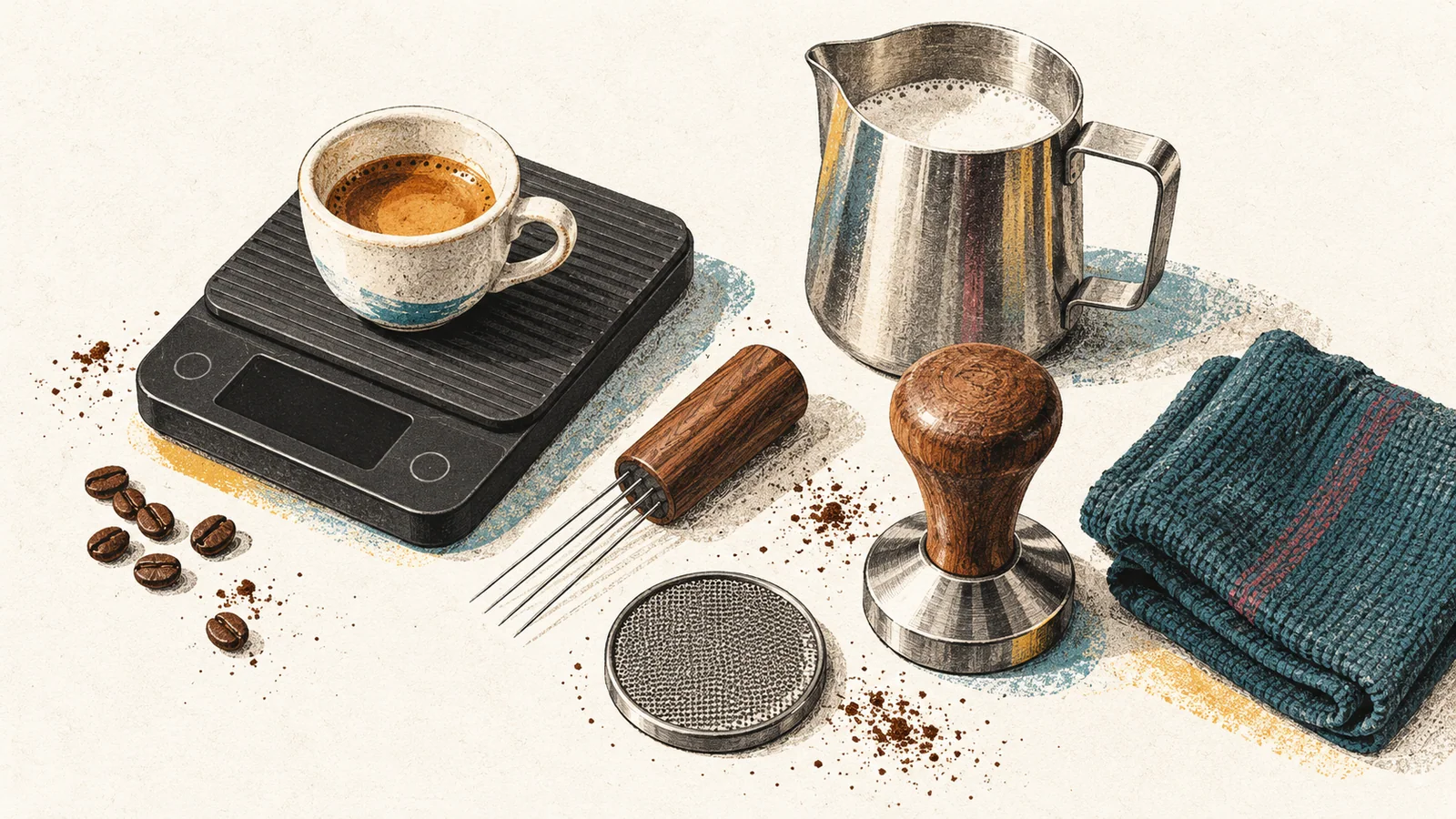
After buying, borrowing, gifting, and 3D-printing years of coffee tools, these are the accessories that improved my daily workflow—and the expensive ones I should have skipped.

A home barista's practical guide to brew temperature, with starting ranges for light, medium, and dark roasts and a simple two-cup experiment.
Coffee blends are not automatically cheap or inferior. The best ones combine flavour, consistency, and cost with deliberate intent.

A plain-English guide to why coffee can taste sour, hollow, bitter, or beautifully balanced.
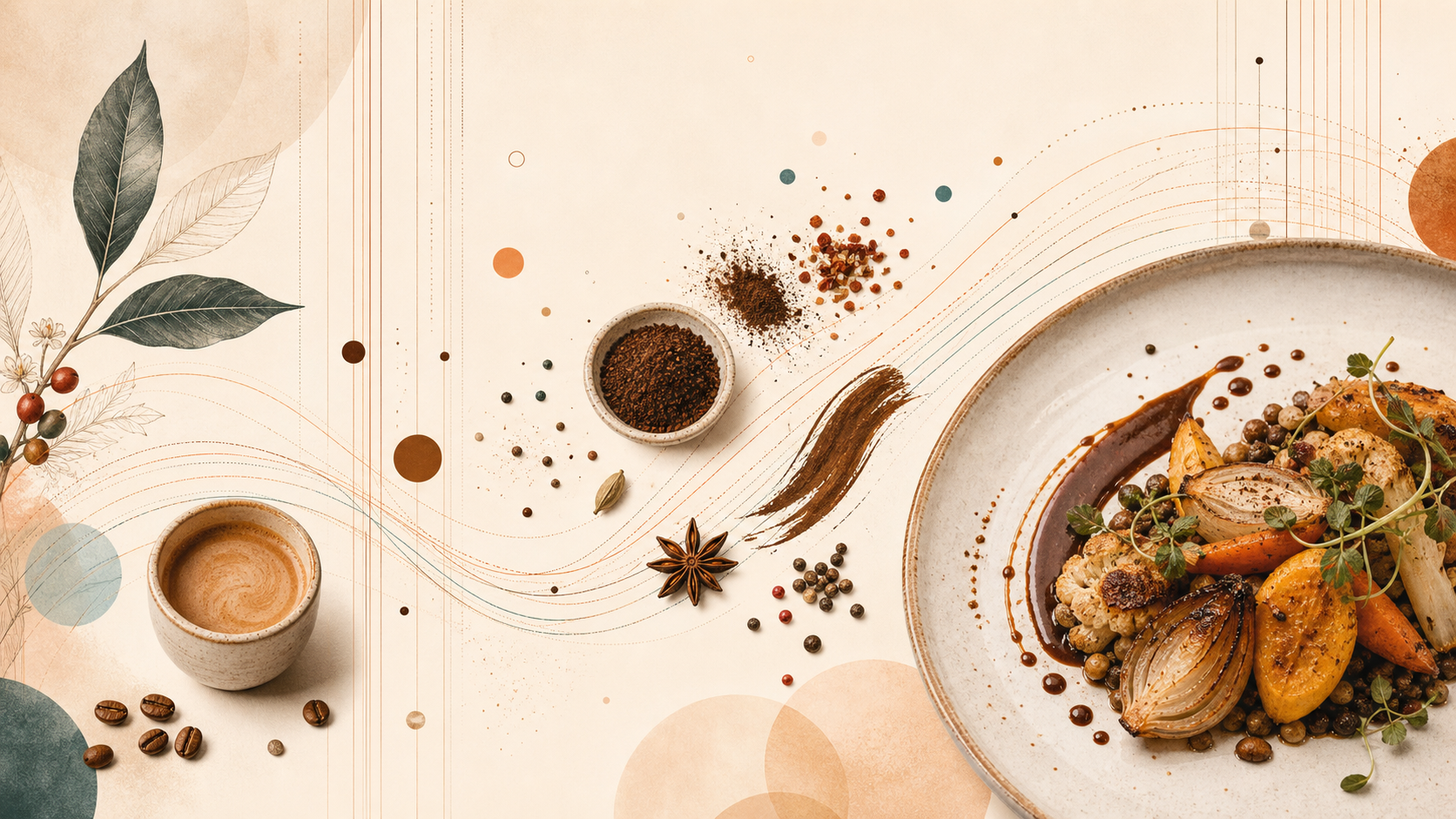
Coffee can work in savory food when it is treated like a bitter, roasted spice rather than a novelty.

Coffee acidity can taste lively, fruity, sharp, or unpleasant. Here is how I distinguish enjoyable acidity from a sour brew at home.
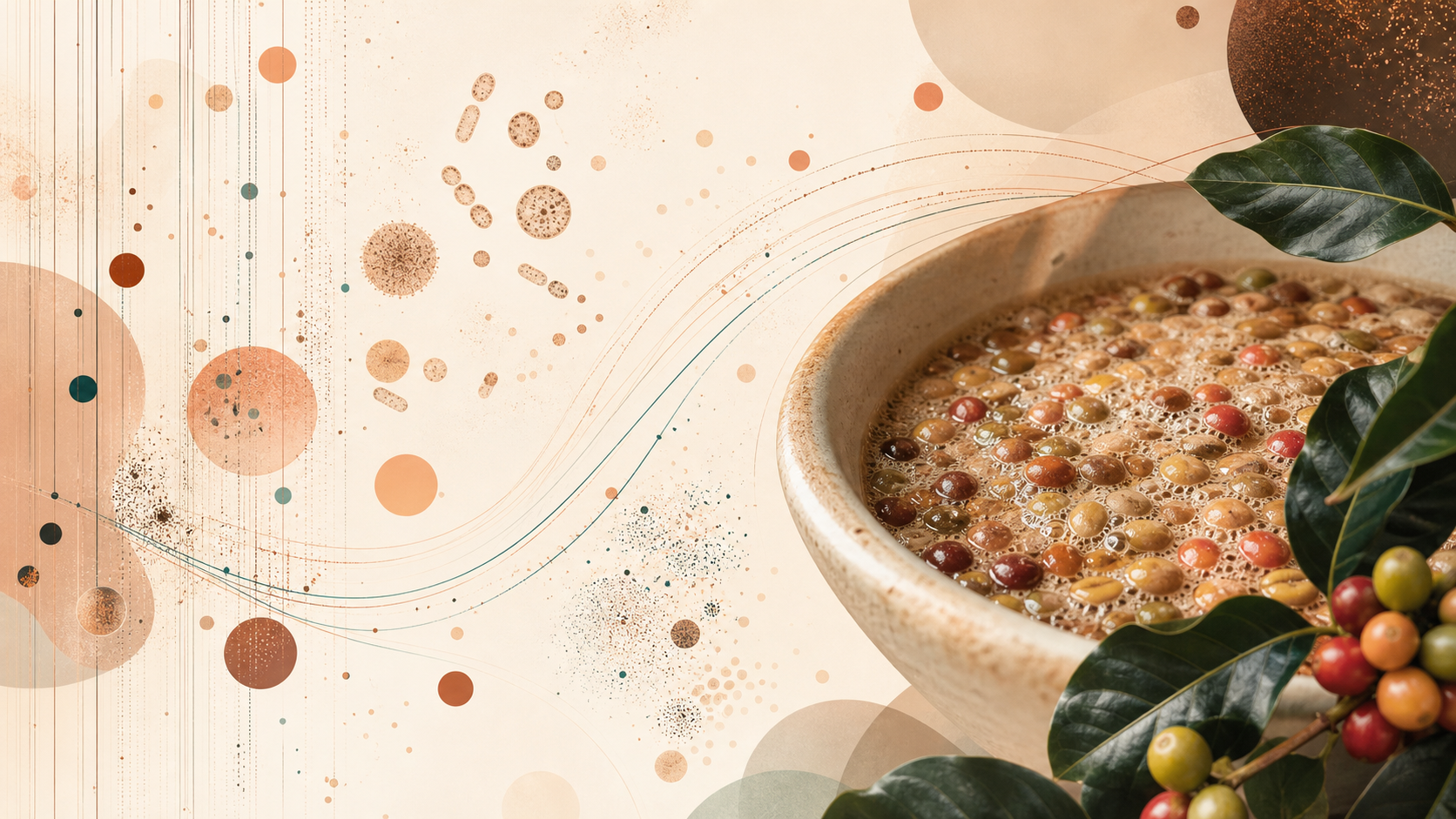
Fermentation is one reason modern Indian coffees can taste fruity, funky, clean, or wildly expressive.

Do higher-grown coffees taste sweeter? A home brewer follows the research on temperature, ripening, density, and sweetness—with Indian examples and resources to explore.

Pairing coffee with sweets is less about rules and more about matching sweetness, roast, body, and contrast.

A practical home version of tiramisu where the coffee actually matters.
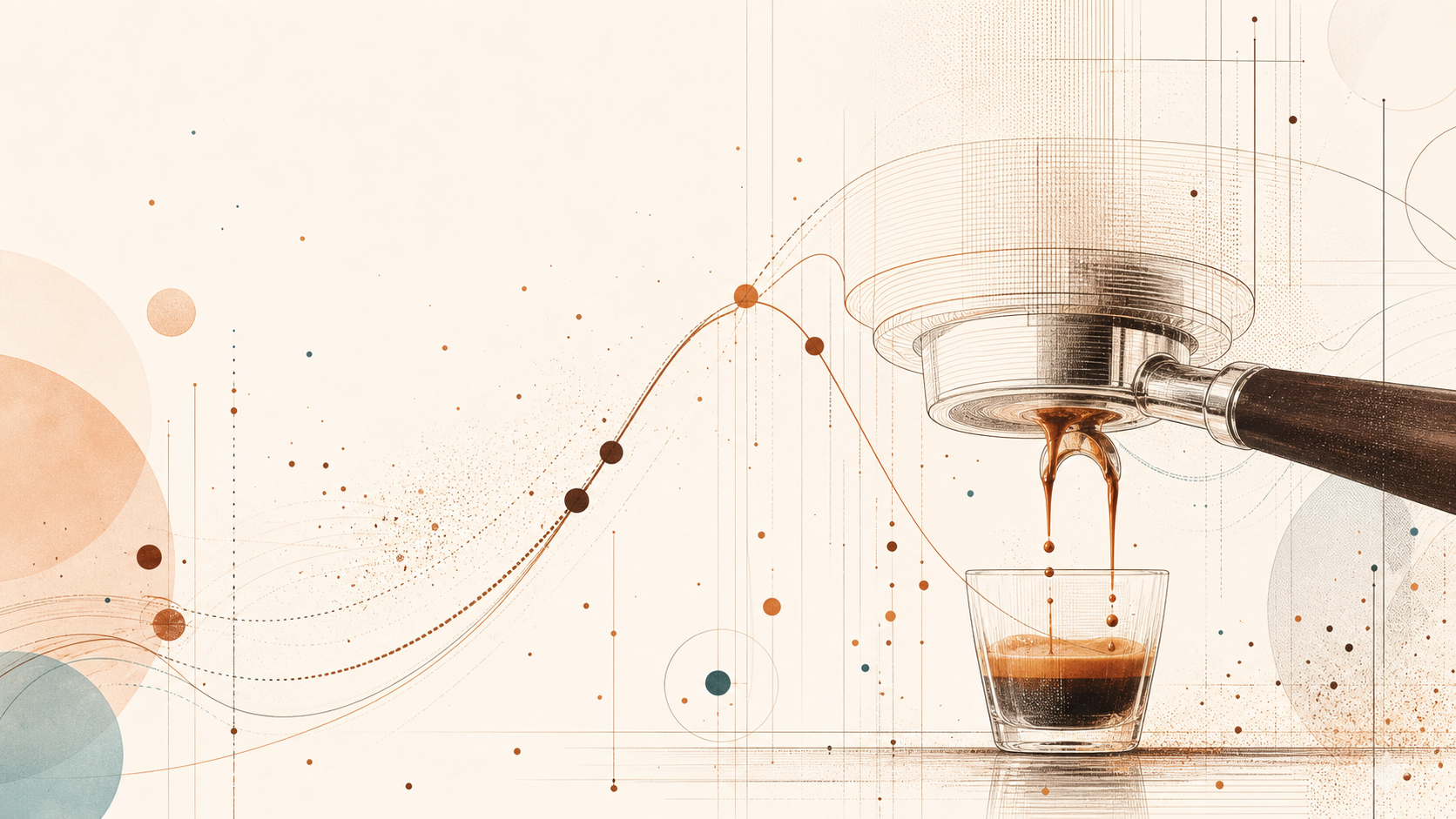
My practical home-espresso workflow after three years with a Gaggia Classic Pro: how I dose, dial in, prepare the puck, steam milk, clean the machine, and decide what equipment is actually worth buying.

A simple coffee ice cream approach that works whether you have an ice cream machine or not.

A practical, preference-first coffee tasting format based on workshops I have run: compare coffees blind, use ordinary language, and discover what you actually enjoy.
My practical maintenance routine after four years of home brewing: what I clean after every cup, what I leave alone, and where espresso-machine instructions matter more than internet advice.
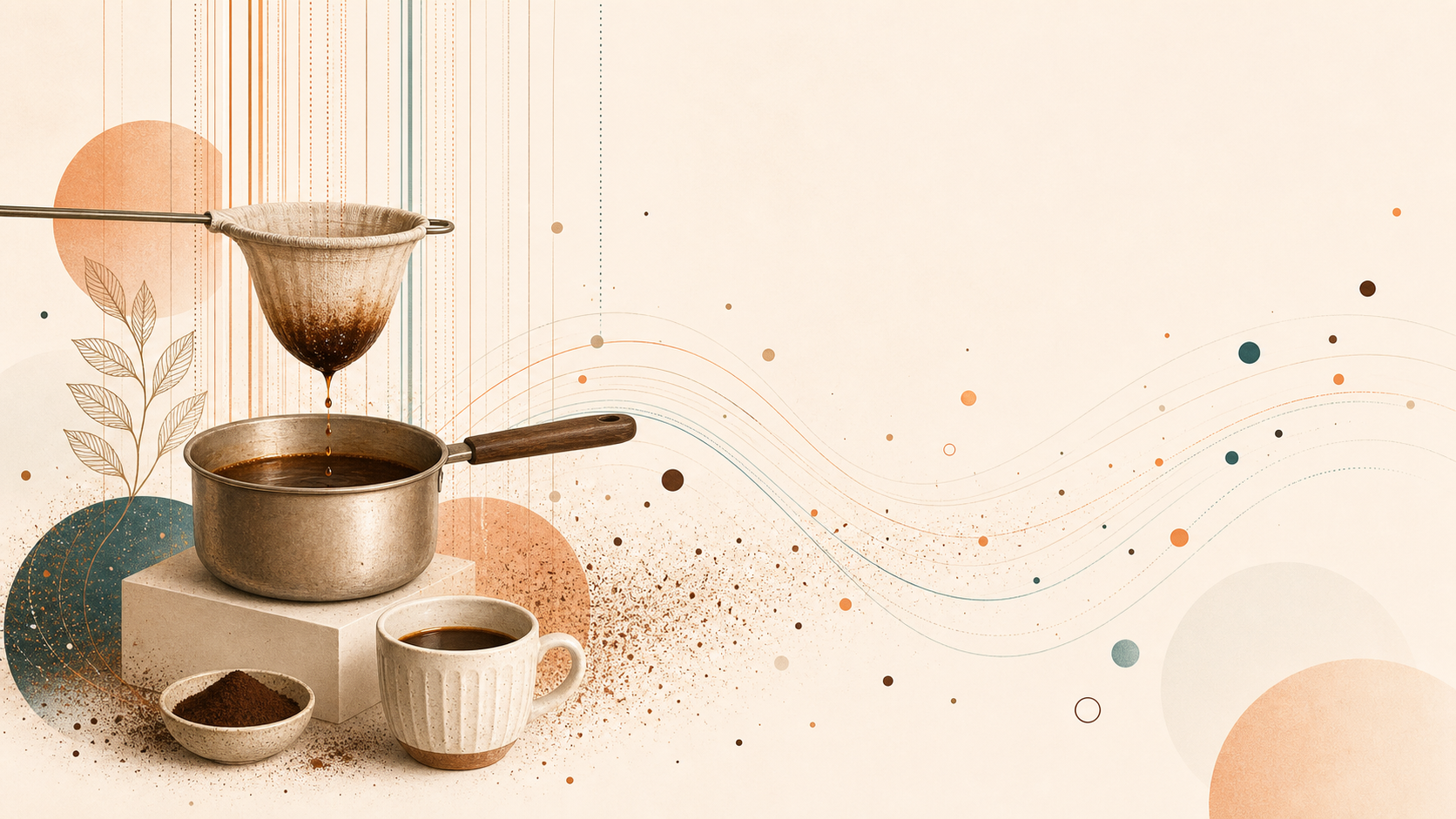
Can a kitchen funnel and a clean cloth make good coffee? I compared that setup with a V60, and found where makeshift brewing works, where it falls short, and the inexpensive upgrade worth making.
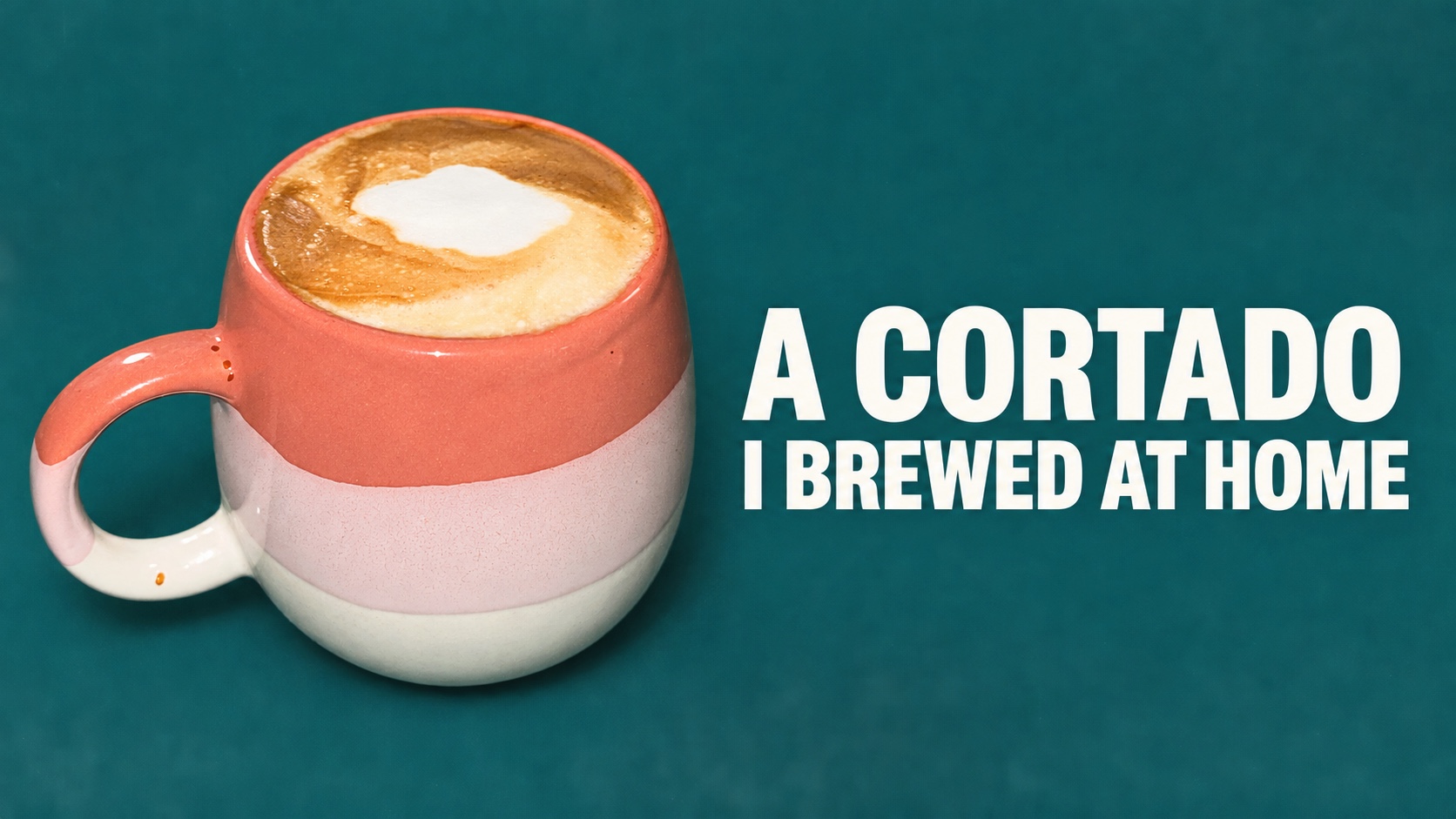
A cortado is espresso cut with a little milk. The recipe is simple; its undocumented history and constantly changing ratio are where things get interesting.

A simple way to turn leftover coffee, banana, oats, and milk into a useful breakfast drink.

Coffee makes chocolate taste deeper, darker, and more grown-up without turning the cake into a coffee cake.

A coffee glaze is the easiest way to make doughnuts taste deeper without complicating the dough.

Roasting is where green coffee becomes aromatic, brown, and brewable. Here is the useful version of what changes.

Latte art is mostly milk texture, pouring height, and patience. The heart can come later.

Specialty coffee gave me a way to notice what had always been in the cup. Here is what it can offer an Indian beginner, where the label becomes marketing, and why your own taste still matters most.
Indian coffee is no longer only about heavy, bitter, safe cups. Better processing, lighter roasting, and curious home brewers are making the scene taste brighter and more alive.

What brewing across New York, Delhi, and Indian hotel rooms taught me about filtered water, TDS, bottled water, and when coffee water is worth changing.
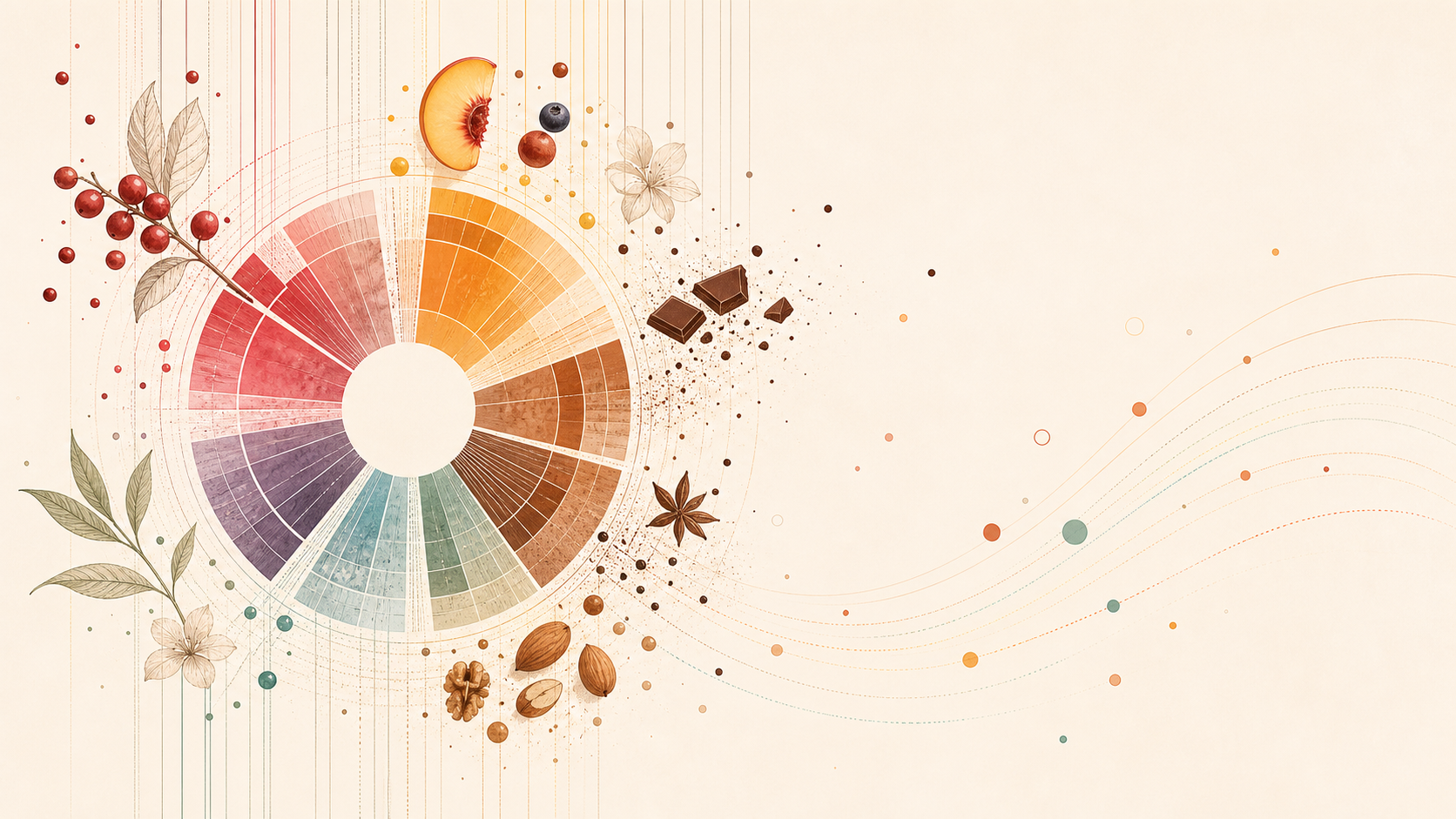
I can usually tell if a coffee tastes fruity. Whether it's plum or cherry is another story. Here's how I use the coffee flavour wheel at home.

A practical guide to Arabica, Robusta, roast dates, processing, blends, tasting notes, and choosing Indian coffee without letting equipment become the entire hobby.
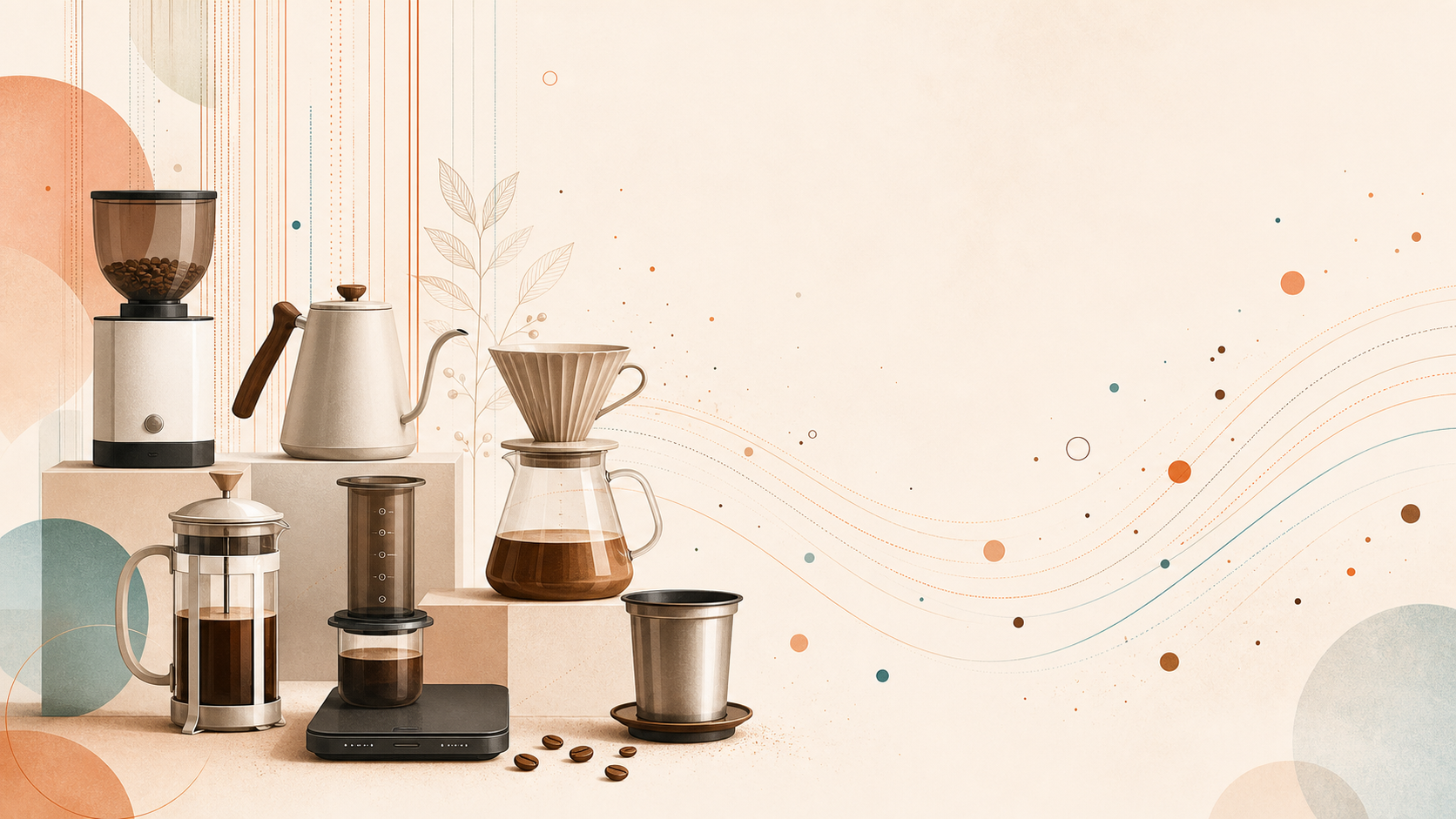
You do not need a cafe setup to start brewing better coffee. Here is what actually matters first, what can wait, and how to buy sensibly in India.
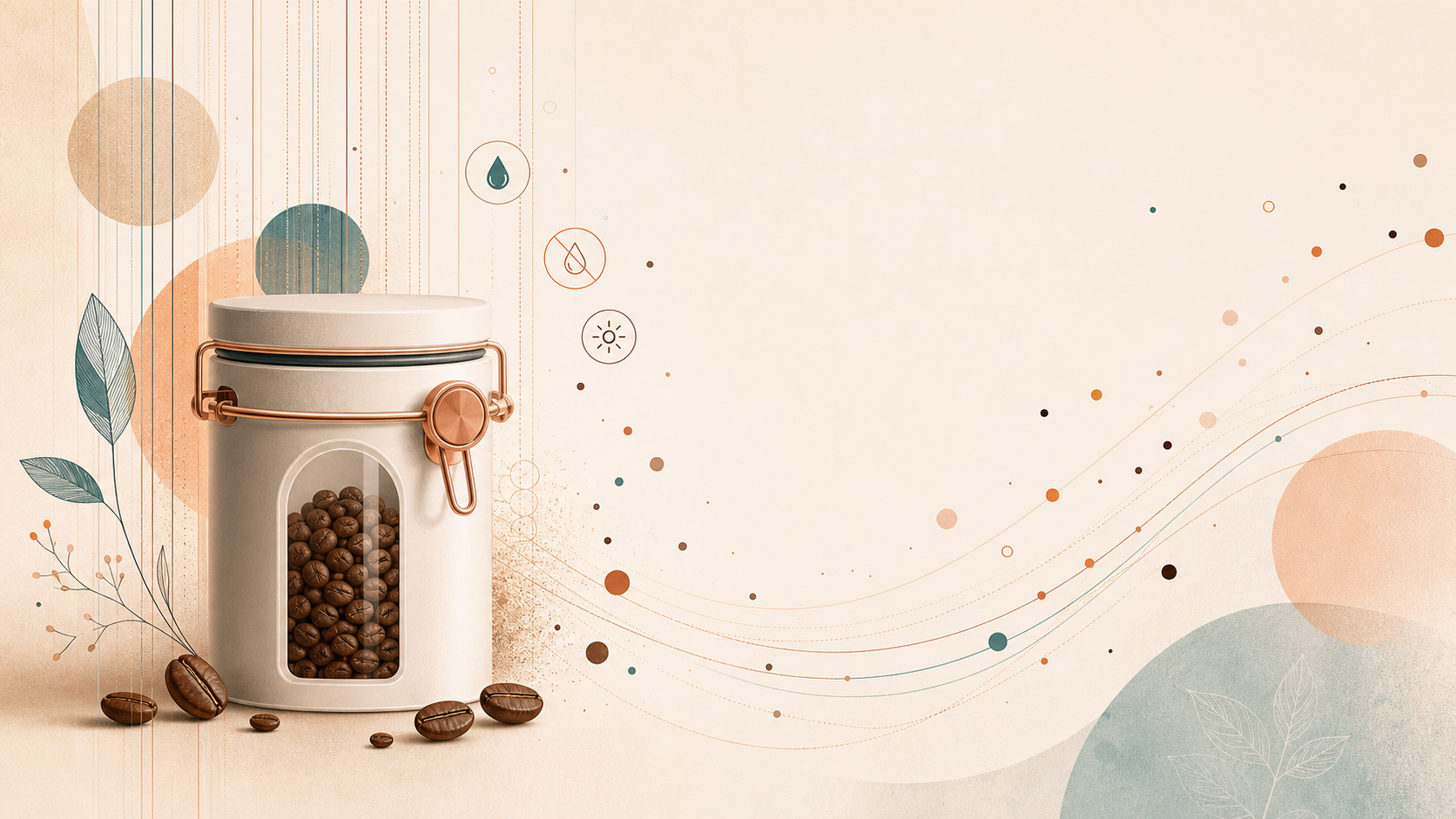
You probably do not need an expensive coffee canister. Here is what pre-ground coffee, whole beans, Delhi humidity, and several storage purchases taught me.

Make a small batch of cold brew with 20 g of coffee, 300 g of water, and a jar. Steep it in the fridge and strain it without a dedicated cold brew maker.
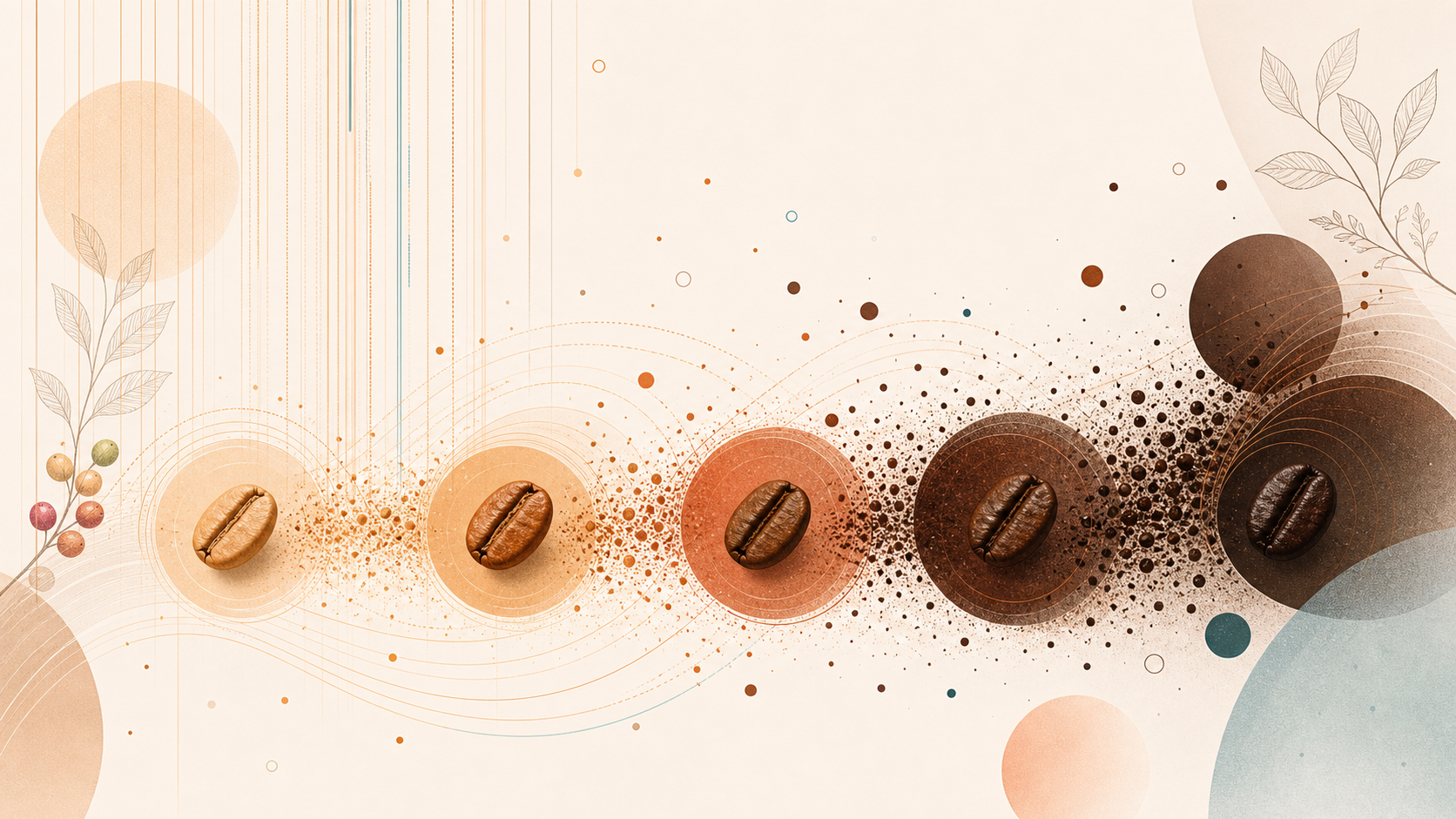
Light, medium, and dark roasts are not levels of seriousness. Choose based on how you brew, whether you use milk, and what flavours you enjoy.
Make your first cup with instant or ground coffee, pick a brewer that suits you, and learn what to change if the coffee tastes bitter or weak.

Buying whole beans and grinding fresh preserves aroma, gives you control over extraction, and makes a good coffee recipe repeatable.
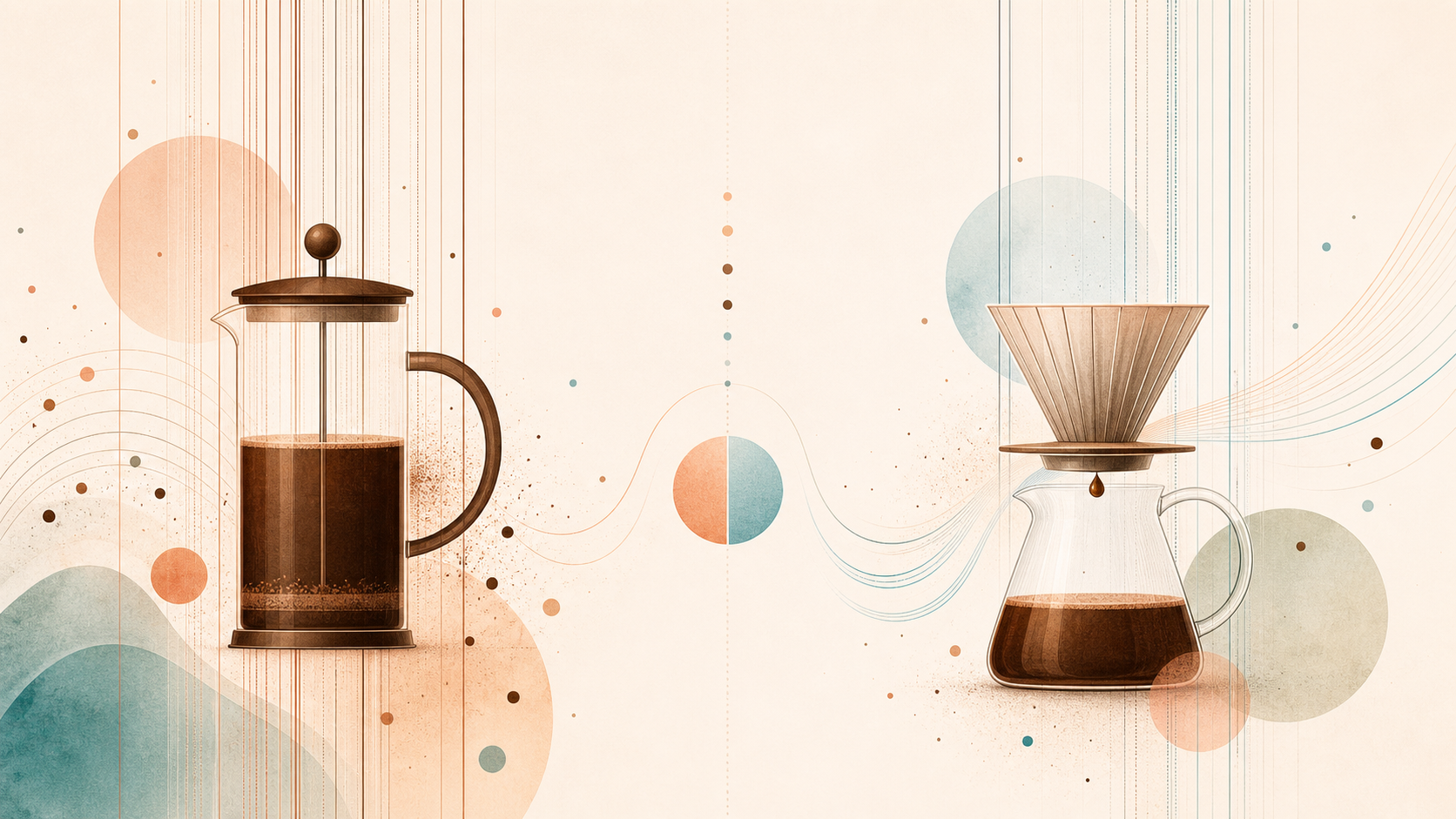
French Press gives you an easy, full-bodied cup. Pour-over gives you clarity, control, and more technique to learn. Here is how to choose without getting trapped by coffee gear culture.
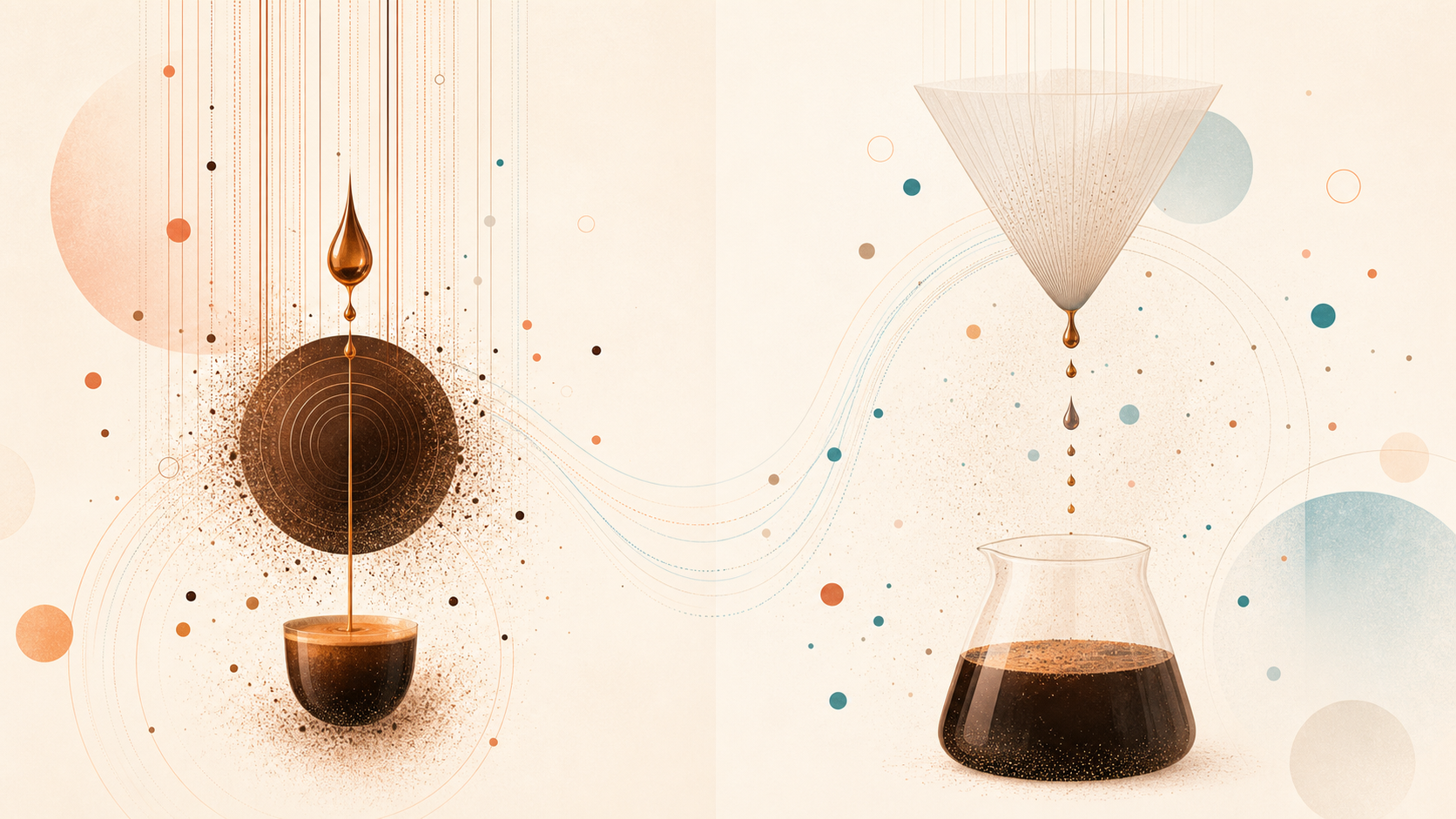
Espresso and drip coffee are not strength settings for the same drink. Here is how pressure, gravity, concentration, flavour, caffeine, equipment, and daily routine actually differ.

Three Indian coffee bags show what beginners should read first, what they can ignore, and why 100% Arabica is not a guarantee of good coffee.
Find coffee guides, equipment comparisons, Indian roasters, specialty cafes, videos, and tools. Choose where to start based on what you want to learn.
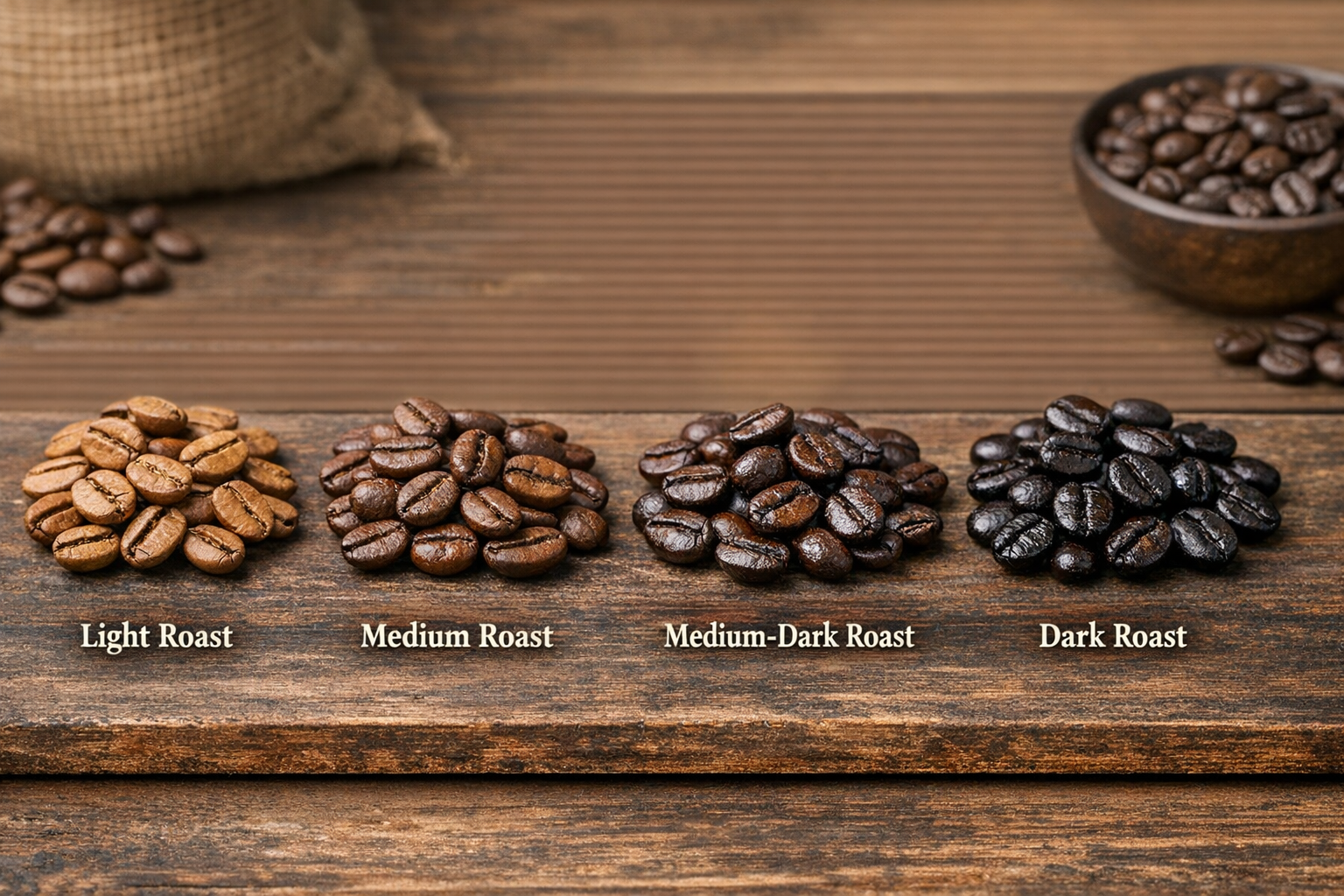
Light, medium or dark roast? Here's what I'd look for on the bag, and why one roaster's medium might taste like another's dark.
Optional Google Analytics and Vercel Web Analytics help us understand which pages are useful. It stays off unless you allow it. You can change your choice in the footer. Cookies and storage.